
Blog Article
Everything you need to know about 3D Laser Scanning in Construction
Topographic surveys are a critical tool for engineers and are used to gain detailed, three-dimensional views of a site before construction or land management projects begin. This article provides an overview of what a topographical survey is, what it typically includes and the information that it provides. Additionally, we provide insight into the different types of topographical surveys, the equipment used, and the importance of topographical surveys in engineering.
Improved Safety
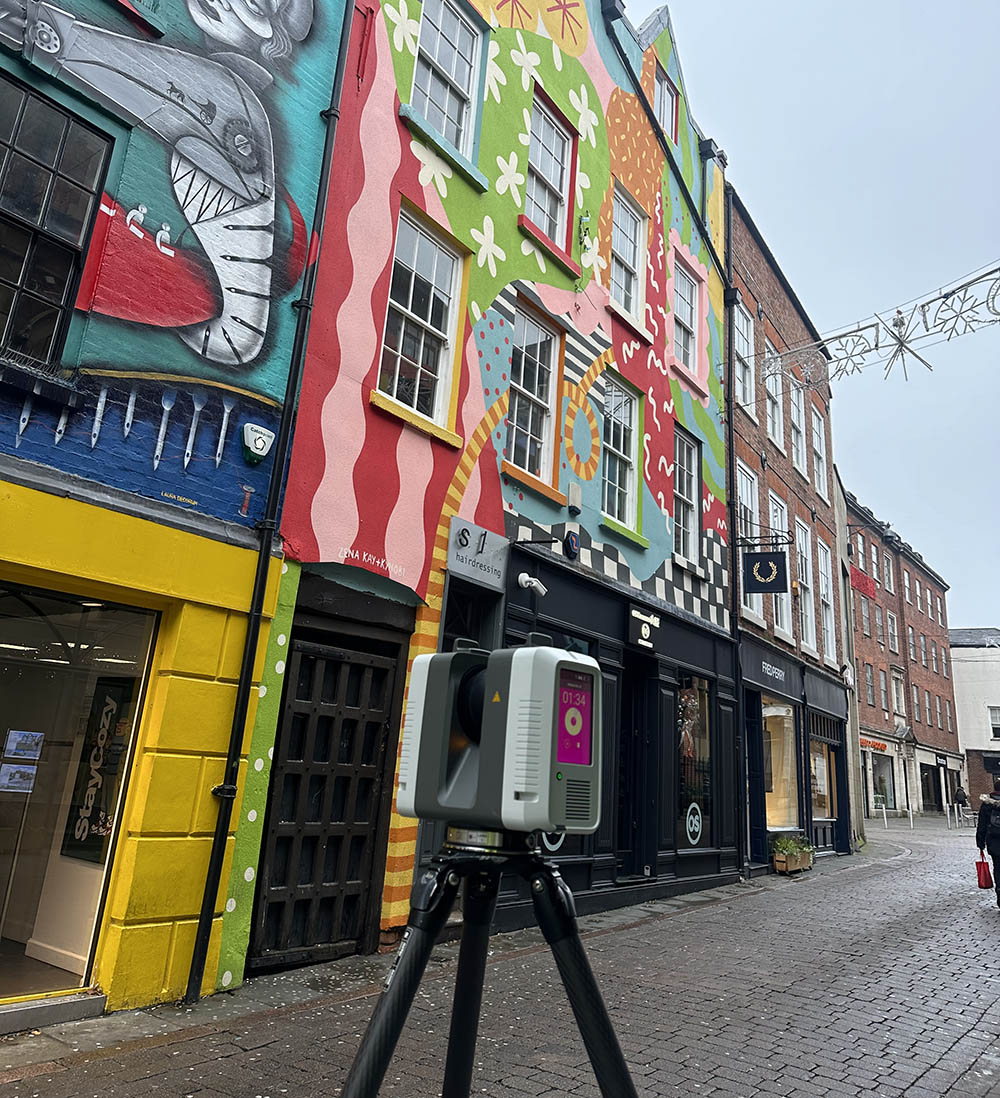
Aside from precise measurements and enhanced visualisation, 3D laser scanning in construction offers improved on-site safety. With the use of this technology, engineers and contractors can preemptively identify potential safety hazards and eliminate them before they become a threat. The ability to scan a construction site and pinpoint potential hazards, such as structural weaknesses or unstable floor conditions, helps minimise the likelihood of workplace accidents and injuries.
Increased Efficiency
3D laser scanning in construction allows for increased efficiency in both time and cost. In the past, construction projects were often delayed due to measurement errors or discrepancies in planning. With the use of 3D laser scanning, engineers and contractors can collect accurate data in a fraction of the time it takes to do it manually. As a result, construction projects can be completed within the timeline and budget initially set.
Enhanced Visualisation
The use of 3D laser scanning in construction also allows for enhanced visualisation of the project. With the technology’s ability to create digital models based on physical conditions, architects and designers can easily visualise how their designs will fit and work within the space. This enables them to make adjustments and improvements before construction begins, reducing the likelihood of costly changes or mistakes during the construction process.
Change Management
Another benefit of 3D laser scanning in construction is its ability to manage changes effectively. In a construction project, changes are to be expected. With the use of 3D laser scanning, these changes can be incorporated seamlessly into the construction process. The technology allows contractors to collect real-time data, which can then be used to adjust ongoing projects. This simplifies the construction process, reducing the likelihood of time and cost overruns.
Future of 3D laser scanning in construction
3D laser scanning has transformed the construction industry by enabling accurate measurements, enhanced visualisation, improved project management, improved safety, increased efficiency, change management, and more.
Its benefits make it an essential tool for contractors and engineers looking to undertake complex construction projects. With the technology’s ability to provide highly accurate data, construction projects can be completed safely, efficiently, and within the allotted budget without sacrificing quality.
As the construction industry continues to evolve, it will be exciting to see what other advancements in technology will arise, further empowering construction professionals to build bigger and better.
Want to know more?
If you’re looking for a company that provides high quality surveying that offers an excellent all round customer experience, you’ve come to the right place.
- 0116 2325169 office
- 07359 617813 on-site team
- mail@fossesurveying.co.uk